Before You Sign That ERP Contract: 7 Questions Every Kenyan Business Should Ask
Implementing an Enterprise Resource Planning (ERP) system is one of the most significant investments a business can make. Whether you're a manufacturer seeking better production planning, a distributor looking to streamline inventory, or a growing retailer aiming to improve customer service, the right ERP can transform the way your business operates.
However, choosing the wrong implementation partner can turn a promising investment into a costly and frustrating experience.
Many Kenyan businesses evaluate ERP solutions primarily on software features and implementation costs. While these factors matter, they tell only part of the story. An ERP system is not simply software you install—it becomes the backbone of your finance, operations, procurement, inventory, manufacturing, sales, and customer service processes. The success of your ERP project depends just as much on the expertise of your implementation partner as it does on the software itself.
Consider a growing manufacturing company in Nairobi that decided to implement an ERP system to improve production planning and inventory management. After comparing several proposals, the company selected the lowest-cost provider. The system was deployed quickly, but six months later employees were still relying on spreadsheets because workflows had not been properly configured. Reporting was inconsistent, support requests took days to resolve, and every system enhancement attracted additional costs. What initially appeared to be a budget-friendly decision ultimately delayed the company's digital transformation and increased its total implementation costs.
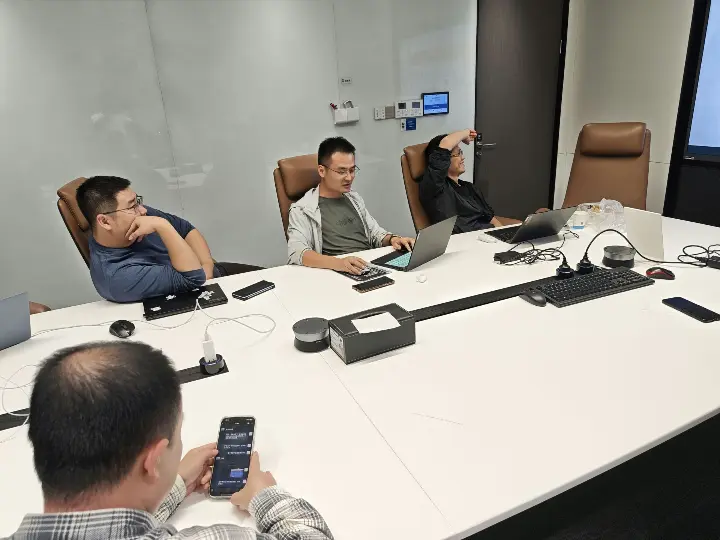
Before signing your ERP contract, take time to ask these seven questions. The answers will help you identify a partner capable of delivering long-term business value—not just a successful software installation.
1. Does the Implementation Partner Understand My Industry?
No two industries operate the same way. A manufacturing business has different operational requirements from a wholesale distributor, healthcare provider, construction company, or professional services firm.
Your implementation partner should understand the business processes that define your industry. For manufacturers, this includes production planning, Bills of Materials (BoMs), quality control, maintenance, procurement, and inventory management. For distributors, warehouse optimization, logistics, and demand forecasting may take priority.
Industry expertise allows consultants to recommend proven workflows instead of simply replicating inefficient manual processes within the ERP.
When evaluating potential partners, ask for examples of projects completed within your sector and discuss how they would address challenges unique to your business.
2. Are They an Official Odoo Partner?
Certification matters.
An official Odoo Partner Kenya has undergone formal training, follows Odoo's implementation standards, and has direct access to Odoo's technical resources and support channels.
This means they can deliver solutions that align with Odoo's recommended architecture while ensuring your system remains compatible with future upgrades.
An experienced partner also understands when to configure standard functionality and when customization is genuinely necessary. This approach minimizes technical debt and protects your investment over the long term.
Choosing an official partner is not simply about credentials—it's about ensuring your ERP remains scalable, secure, and fully supported as your business grows.
3. What Does the Implementation Process Look Like?
A successful ERP project begins long before software installation.
Ask your implementation partner to explain every phase of the project, including business process discovery, requirements gathering, solution design, configuration, testing, user training, data migration, and post-go-live support.
A structured methodology reduces project risk by ensuring each stage is completed before moving to the next.
Be cautious of providers who promise unusually fast deployments without investing time to understand your business processes. ERP implementation is a transformation project, not merely a technical installation.
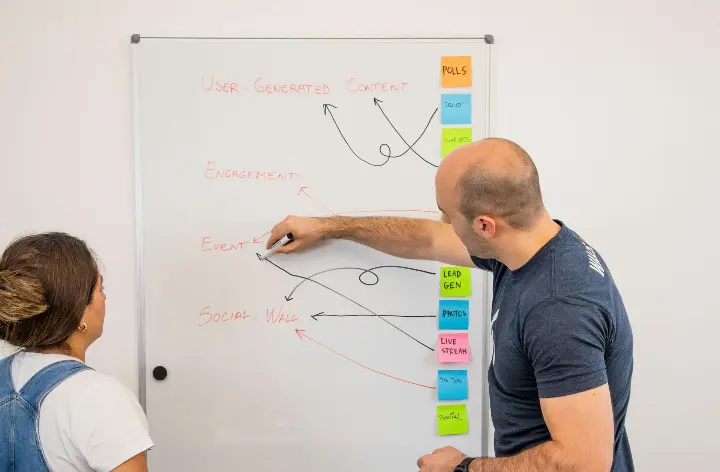
4. How Will the System Adapt as My Business Grows?
Your ERP should support your business five years from now—not just today.
As organizations expand, they introduce new product lines, open additional branches, hire more employees, and adopt new technologies. Your ERP must be capable of evolving alongside these changes.
Ask your implementation partner how they approach scalability. Will future upgrades be straightforward? Can additional modules be introduced without disrupting existing operations? Will new integrations be supported as your technology landscape evolves?
A well-designed ERP implementation provides flexibility for growth while avoiding unnecessary redevelopment costs.
5. What Level of Support Will I Receive After Go-Live?
Going live is only the beginning of your ERP journey.
Users will require ongoing assistance as they become familiar with new workflows, while your business will inevitably introduce new requirements over time.
Ask prospective partners about their support structure. How are support requests managed? What are their response times? Do they provide user training, system health checks, and periodic optimization reviews?
Reliable Odoo official support helps businesses maximize the value of their ERP investment while minimizing operational disruption.
The strongest implementation partners remain engaged long after deployment, helping clients continuously improve their processes as their organizations evolve.

6. How Will the ERP Support Compliance in Kenya?
Kenya's regulatory environment continues to evolve, with businesses expected to adapt quickly to changing tax and statutory requirements.
Your ERP should help your organization remain compliant through accurate financial reporting, audit trails, and integration with relevant regulatory processes.
Discuss how the proposed solution will accommodate changing compliance requirements and what support is available when statutory updates are introduced.
An implementation partner with local expertise understands the practical realities of operating within Kenya's regulatory landscape and can help ensure your ERP remains aligned with evolving business obligations.
7. What Happens If Key People Leave the Project?
This is one of the most overlooked questions during vendor selection.
Some ERP projects rely heavily on a single consultant who possesses most of the technical knowledge. If that individual becomes unavailable, businesses may struggle to obtain support or implement future enhancements.
Ask whether project documentation will be provided, how knowledge is shared across the implementation team, and what measures are in place to ensure continuity throughout the lifecycle of the system.
A reputable implementation partner provides structured documentation, standardized development practices, and a dedicated support team. This reduces dependency on individuals and gives your business confidence that expert assistance will remain available whenever it is needed.
Choosing the Right Partner Is Just as Important as Choosing the Right ERP
An ERP system has the potential to improve operational efficiency, strengthen decision-making, and support sustainable growth. However, those outcomes depend on more than selecting the right software.
They depend on choosing an implementation partner who understands your business, follows proven methodologies, and remains committed to your success long after the system goes live.
At Magnolia Technology Solutions, we believe successful ERP projects are built on collaboration, industry expertise, and long-term partnerships. As an official Odoo Partner Kenya, we work closely with businesses to design scalable, upgrade-ready solutions that support operational excellence across manufacturing, distribution, retail, and professional services.
Whether you are considering your first ERP implementation for manufacturing, replacing a legacy system, or expanding your existing ERP capabilities, asking the right questions today can save your business significant time, cost, and complexity in the future.

Ready to Choose an ERP Partner with Confidence?
Selecting an ERP is a strategic decision—but selecting the right implementation partner is what determines its long-term success.
If you're evaluating ERP solutions and want guidance from certified professionals who understand the Kenyan business environment, contact Magnolia Technology Solutions today. Our team is ready to help you implement an ERP solution that delivers lasting value and grows with your business.