How Odoo ERP Helps Kenyan SMEs Scale Without Increasing Administrative Costs
For small and medium-sized enterprises (SMEs) in Kenya, growth is both an exciting milestone and a significant operational test. As a business expands—opening new branches in Nairobi, Mombasa, or Kisumu, diversifying product lines, or acquiring a larger volume of corporate clients—the volume of transactional data multiplies exponentially. Unfortunately, many growing companies find that their internal administrative structures break down under this weight. Instead of celebrating increased profitability, business owners and executives find themselves trapped in an operational bottleneck where scaling top-line revenue triggers an unsustainable surge in administrative and overhead expenses.
This challenge is particularly pronounced in high-velocity sectors like wholesale distribution and multi-channel retail. In these industries, operational success depends entirely on the tight synchronization of inventory management, supply chain procurement, sales invoicing, and financial reporting. When a business relies on fragmented legacy applications, separate spreadsheets, and manual interventions, scaling up introduces severe friction. This article explores how modern enterprise resource planning (ERP) systems, specifically tailored via an experienced Odoo Partner Kenya, can empower local SMEs to break this cycle, optimize their processes, and scale efficiently through robust digital transformation Kenya.

The Growing Pains of Manual Inventory and Fragmented Operations
Consider a typical mid-sized Kenyan wholesale distribution business operating out of Industrial Area or Mombasa Road. In its early days, managing the business was relatively straightforward. The accounting team used basic standalone bookkeeping software, sales reps logged orders via WhatsApp or written paper dockets, and warehouse staff tracked stock levels manually on tally cards or a shared Excel spreadsheet.
However, as the distributor expands its footprint to serve major supermarket chains, regional wholesalers, and independent retailers across East Africa, this fragmented system collapses. When a sales representative seals a deal in the field, they have no real-time visibility into the actual warehouse inventory. They might promise 500 units of a fast-moving product to a client, unaware that another sales rep sold those identical units an hour prior. Once the order reaches the back office, an administrative clerk must manually re-key the transaction into the accounting software to generate an invoice, introducing a high risk of human data-entry error.
Meanwhile, the warehouse team remains disconnected from both the sales and accounting systems. They operate blindly, realizing a product is completely out of stock only when they physically look at an empty pallet. This leads to emergency order fulfillments, stockouts, delayed deliveries, and dissatisfied clients. To combat this chaos, management’s traditional response is to hire more people—more data entry clerks, more stock checkers, and more administrative coordinators. Consequently, administrative expenses rise at a rate that equals or outpaces revenue growth, entirely erasing the economies of scale that expansion was supposed to deliver.
The Strategic Impact: When administrative costs scale linearly with business volume, your margins shrink. Kenyan executives spend their valuable time firefighting everyday operational errors rather than steering long-term market expansion and strategic growth.

Eliminating the "Growth Tax" Through Automated Workflow Integration
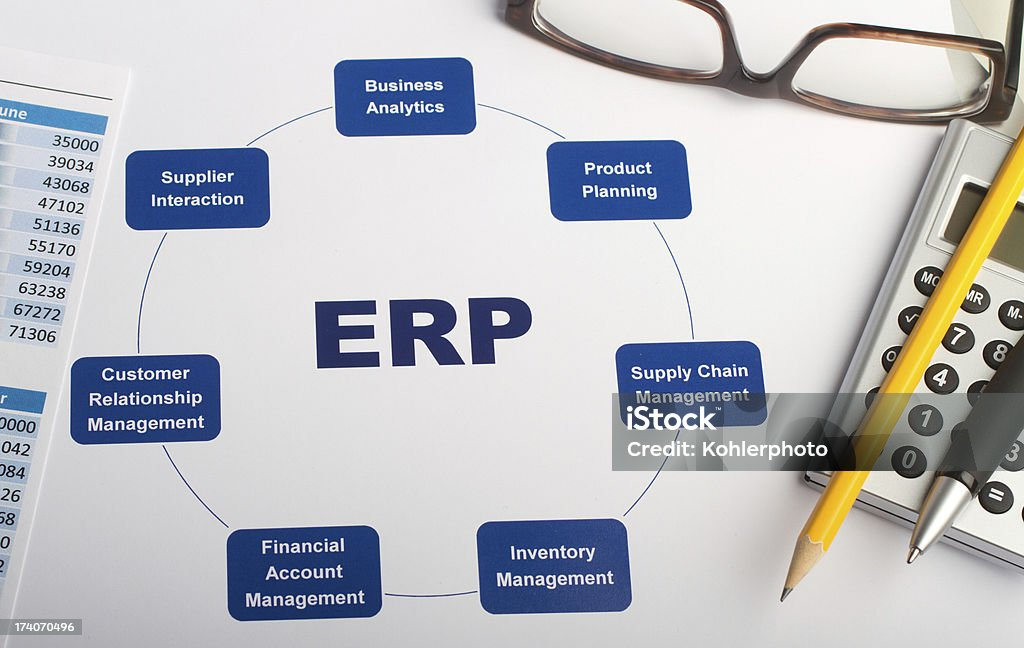
To break free from this administrative trap, Kenyan businesses require a modern warehouse management system Kenya integrated directly into their core sales and financial operations. This is precisely where Odoo ERP Kenya becomes a transformative operational asset. Odoo operates as a unified modular platform where every application—Sales, Inventory, Invoicing, Purchase, and Accounting—communicates natively in real time.
When an SME undergoes a structured ERP implementation with Odoo, manual data re-entry is completely eliminated. When a field sales executive creates an order on their mobile device using Odoo CRM or Sales, the system automatically verifies inventory availability. If stock is present, those specific units are immediately reserved within the central repository, preventing double-selling. Simultaneously, the system automatically drafts a customer invoice and updates the accounting ledger without requiring a single minute of an administrative clerk’s time.
This deep level of automation eliminates what many business leaders call the "growth tax"—the necessity of hiring additional back-office staff simply to handle increased data volume. By automating repetitive administrative tasks, your existing team can comfortably manage three to four times the current transaction volume. This structural shift allows your business to scale its revenue rapidly while maintaining a lean, highly efficient administrative footprint using comprehensive business management software.
Real-Time Inventory Visibility and Multi-Warehouse Control
For distribution and retail enterprises, cash flow is tightly bound to stock on hand. Overstocking ties up valuable working capital that could otherwise fund expansion, while understocking damages hard-earned client relationships. Relying on disconnected systems makes achieving optimal inventory levels nearly impossible, as data updates are often delayed by days or weeks.
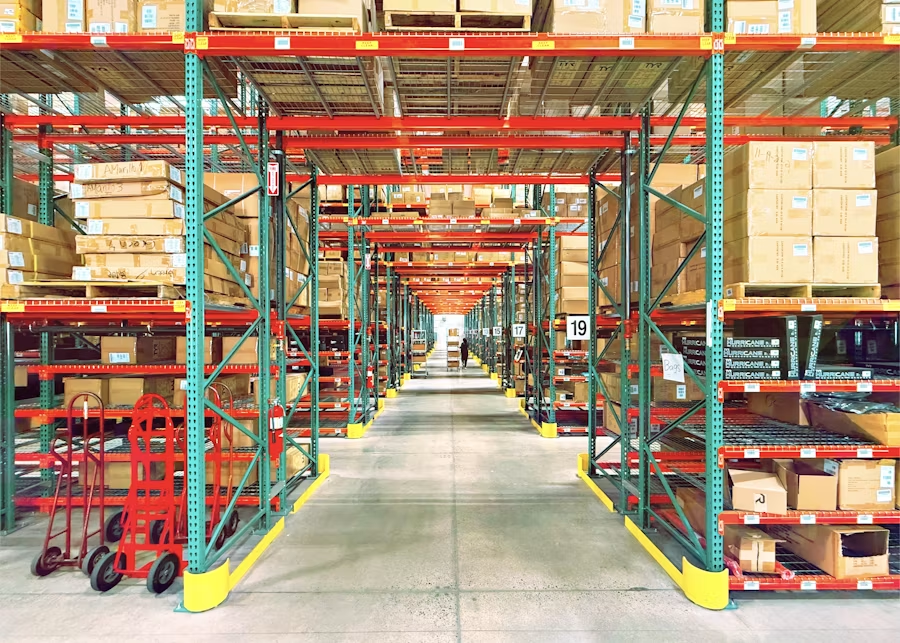
Odoo ERP solves this fundamental issue by introducing sophisticated, real-time inventory management. Every single stock movement—whether it is a goods receipt at the primary warehouse, an internal transfer to a regional distribution hub, or a customer delivery—is tracked instantaneously via automated barcodes or digital validation. Managers gain full visibility into exact stock locations, aging stock profiles, and real-time valuation metrics directly from a central dashboard.
Furthermore, Odoo features advanced automated reordering rules. Businesses can establish minimum safety stock thresholds for individual items. The moment stock falls below these predefined safety markers, Odoo’s purchasing module automatically generates a draft Purchase Order (PO) targeted at the preferred supplier, incorporating the correct pricing matrices. By transitioning from reactive firefighting to predictive, automated inventory management, companies reduce stock holding costs, eliminate expensive stockouts, and completely bypass the tedious manual audits that traditionally drain administrative hours.
Empowering Executives with Localized Data Insights for Strategic Scaling
An often overlooked limitation of running fragmented business systems is the complete absence of reliable, actionable data for executive decision-making. When financial details sit in one application, sales projections live in spreadsheets, and operational capacity reports reside in warehouse logs, generating an accurate end-of-month financial summary becomes an arduous, multi-day administrative chore.
Deploying specialized ERP software Kenya addresses this visibility gap by centralizing all corporate data into a single, immutable source of truth. Kenyan business owners and executives no longer have to wait for weeks to review past performance; instead, they can access real-time dashboards detailing accurate profit margins, sales representative performance, and precise customer acquisition costs.
Crucially, an effective Odoo solution is fully localized to align with the unique financial landscape of East Africa. Through seamless integration with local payment gateways like M-Pesa and direct compatibility with the Kenya Revenue Authority (KRA) Tax Invoice Management System (TIMS/eTIMS), compliance is handled automatically at the point of sale. Real-time tracking of input and output VAT eliminates the traditional mad scramble during monthly tax filing windows. Armed with precise, compliant data insights, corporate executives can confidently allocate capital, negotiate more favorable supplier terms, and pursue calculated expansion opportunities with complete peace of mind.

Partnering for Success with Magnolia Technology Solutions
Implementing an enterprise system is not merely a technical software deployment; it is a profound strategic evolution. To unlock the full potential of Odoo ERP and guarantee that your workflows are structured according to global best practices, choosing the right implementation partner is absolutely critical.
As a trusted Odoo Partner Kenya, Magnolia Technology Solutions specializes in guiding businesses through successful, end-to-end digital transformations. We understand the specific operational nuances, regulatory compliance landscapes, and market dynamics that Kenyan SMEs navigate daily. Our team of experienced business analysts and technical engineers works directly with your staff to map out current workflows, identify hidden inefficiencies, configure custom Odoo modules to your specific requirements, and provide deep, hands-on user training to ensure rapid internal adoption.
Do not let growing administrative overhead stifle your company’s potential. Empower your enterprise to scale smoothly, operate with absolute efficiency, and protect your hard-earned margins with Odoo ERP.
Ready to Transform Your Business Operations?
Take the first definitive step toward sustainable, unconstrained business growth today. Contact Magnolia Technology Solutions to schedule a personalized Odoo ERP demonstration and learn how our tailored deployment strategies can help your business achieve long-term efficiency.