How Odoo ERP Transforms Manufacturing Businesses in Kenya
Kenya’s manufacturing sector serves as a vital economic engine for East Africa, contributing significantly to regional trade, employment, and industrialization. From food and beverage processing in Industrial Area, Nairobi, to textile production in Athi River EPZ, plastics converting in Ruiru, and agricultural processing in Nakuru and Eldoret, local manufacturers operate in a dynamic, highly competitive marketplace. However, as manufacturing operations scale, many enterprise leaders encounter a severe operational bottleneck characterized by fragmented manual systems, disconnected standalone software applications, and uncoordinated departmental workflows.
In many factories across the country, shop floor supervisors still record production batch numbers in paper logbooks while warehouse teams track raw materials in independent spreadsheets. At the same time, accounting personnel rely on basic financial software completely isolated from physical factory operations. This systemic lack of integration creates acute operational friction that manifests as frequent stockouts of critical raw materials, unrecorded material wastage, delayed customer order fulfillments, and inaccurate Cost of Goods Sold calculations. To remain competitive amidst regional supply chain volatility, rising input costs, and stringent compliance demands from bodies like the Kenya Revenue Authority and Kenya Bureau of Standards, manufacturing enterprises require a modern, fully integrated digital foundation.
Implementing Odoo ERP Kenya offers local manufacturers a practical, scalable, and unified enterprise solution that streamlines shop floor execution, automates inventory tracking, standardizes compliance, and drives long-term business growth.
Bridging the Shop Floor and Back Office with Integrated MRP
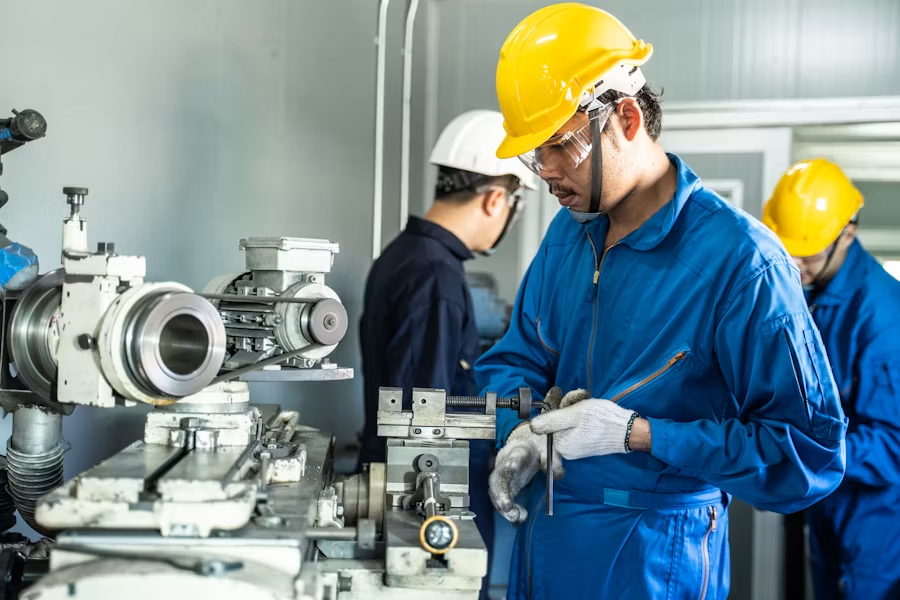
A fundamental operational flaw in traditional manufacturing setups is the disconnect between production scheduling and material planning. When factory schedulers lack real-time visibility into current inventory stock levels, production schedules inevitably stall. For instance, a factory line in Thika might initiate a production run for packaged consumer goods, only to halt mid-shift because a single critical packaging input is missing. Conversely, procurement teams frequently over-purchase raw materials that are already sitting idle in secondary storage, unnecessarily tying up valuable working capital.
Deploying comprehensive ERP software Kenya through Odoo addresses these vulnerabilities by tightly connecting Material Requirements Planning directly with inventory, purchasing, and sales functions. Odoo’s unified architecture automates the complete manufacturing workflow through structured digital records. Manufacturers can define multi-level Bills of Materials to capture precise recipes, raw material components, sub-assemblies, and packaging specifications for every finished product variant, including real-time scrap factor allowances.
Furthermore, shop floor operations are mapped directly to specific work centers such as mixing, filling, labeling, or packaging, enabling accurate capacity planning, line speed tracking, and bottleneck identification. To guarantee uninterrupted production runs, built-in dynamic reordering rules automatically trigger Purchase Orders or internal transfer requests the moment raw material stock levels breach pre-set safety thresholds.
Consider the real-world operational impact on a mid-sized cosmetic manufacturer in Nairobi managing over 150 raw ingredients and packaging components. Prior to adopting Odoo MRP, inventory stockouts delayed nearly a fifth of customer fulfillments every month. By automating multi-level BOMs and dynamic reordering rules in Odoo ERP, the manufacturer achieved a 99 percent raw material availability rate and completely eliminated emergency procurement premiums within four months of deployment.
Real-Time Inventory Control and Multi-Warehouse Tracking
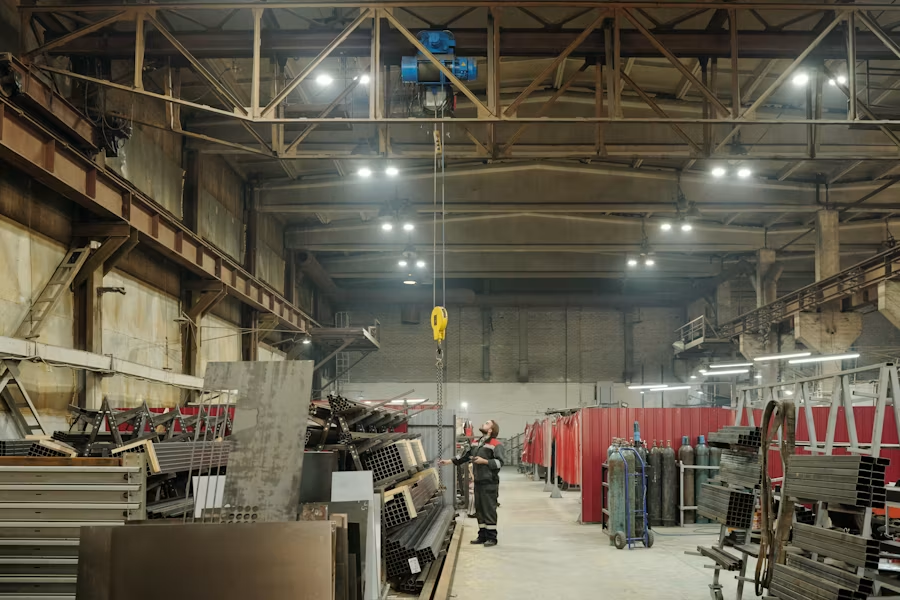
Inventory represents the largest asset category on a manufacturer’s balance sheet, yet managing it via disconnected spreadsheets or basic inventory software frequently leads to discrepancies, stock leakage, and phantom inventory. For manufacturing businesses operating across multiple locations—such as a central factory in Nairobi with regional distribution centers in Mombasa, Kisumu, and Eldoret—maintaining accurate, real-time stock visibility across all sites is exceptionally difficult without an advanced warehouse management system Kenya.
Odoo ERP introduces double-entry inventory tracking, a structural framework where every physical stock movement is recorded as a traceably balanced transfer between locations, moving seamlessly from Vendor to Receiving, Raw Material Stores, Work-in-Progress, and eventually Finished Goods. This innovative approach brings total operational transparency to complex logistics networks, allowing manufacturers to achieve 100 percent batch and serial traceability, reduce inventory holding costs by up to 35 percent through just-in-time stocking, and maintain continuous stock record accuracy exceeding 98 percent.
In addition, Odoo provides robust native support for strict regulatory tracking demands. Complete end-to-end lot and serial number tracking follows items from incoming vendor batch receipts through production processing to final customer shipment, enabling rapid and precise product recalls if quality variances occur. For food, beverage, and pharmaceutical manufacturers, automatic First-Expiring, First-Out routing rules prioritize stock removal based on shelf life, drastically minimizing perishable raw material write-offs. Warehouse operators can also utilize mobile handheld barcode scanners to perform instant stock receipts, inter-warehouse transfers, physical cycle counts, and finished goods picking, effectively eliminating manual data entry errors.
Precise Product Costing and Automated Financial Compliance
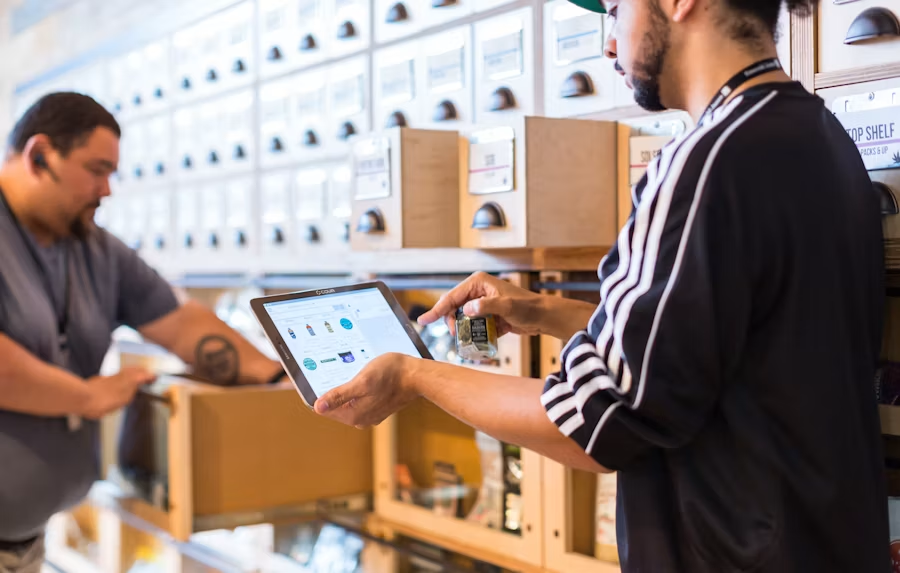
Calculating accurate product margins requires an exact understanding of all direct and indirect cost drivers, including raw materials, direct labor, machine wear-and-tear, power consumption, and factory overhead. Many Kenyan manufacturers rely on standardized static cost estimations prepared once a year. When global commodity prices fluctuate or local utility tariffs rise, these static formulas quickly become obsolete, causing management to unknowingly sell high-volume product lines at reduced or negative net profit margins.
Odoo ERP transforms manufacturing financial management by integrating shop floor operations directly with real-time financial accounting modules. By deploying business management software tailored for local compliance, executive management gains unprecedented financial clarity. The platform dynamically computes the true cost of production utilizing Standard Costing, Average Costing, or First-In, First-Out methods. Work center hourly operational costs and direct labor times logged via shop floor tablets are automatically rolled up into total unit cost calculations.
Simultaneously, raw materials issued to the factory floor are instantly reclassified as Work-in-Progress inventory on the balance sheet, automatically updating financial ledgers without requiring manual end-of-month journal entries. To satisfy statutory mandates, Odoo natively integrates with the Kenya Revenue Authority eTIMS system, ensuring that generated sales invoices, credit notes, and tax reports conform fully to statutory requirements without requiring double data entry.

Unlocking Operational Scalability through Unified Enterprise Workflows
The ultimate goal of digital transformation Kenya in manufacturing is to build a resilient, scalable enterprise capable of rapid expansion without proportional overhead cost increases. Isolated departmental systems force staff into manual data re-keying roles where sales orders emailed as PDFs are re-typed into inventory spreadsheets, purchase requests are printed for physical signatures, and dispatch notes are transcribed manually for invoicing. This administrative friction severely restricts growth potential.
Odoo ERP breaks down internal organizational silos by delivering a single, unified enterprise application ecosystem where every department operates on a single source of truth. Confirmed customer sales orders automatically generate Manufacturing Orders for build-to-order items or reserve stock in finished goods warehouses for immediate dispatch. Quality inspection checkpoints can be mandated at key operational stages, such as raw material arrival, post-mixing, or final packaging, preventing defective sub-assemblies from progressing down the line.
Furthermore, scheduled maintenance triggers for factory machinery are automatically calculated based on operating hours or cycle counts, reducing unexpected equipment breakdowns and costly shop floor halts. Executive leadership gains instant access to real-time management dashboards displaying key performance indicators such as Overall Equipment Effectiveness, scrap rates, order fulfillment velocity, and gross margins per product line.

Conclusion: Transforming Kenyan Manufacturing for the Digital Era
In today's fast-evolving industrial landscape, Kenyan manufacturers can no longer afford the operational inefficiencies, hidden material waste, and administrative delays caused by legacy, disconnected software systems. Transitioning to an integrated enterprise solution like Odoo ERP Kenya provides the visibility, automation, and operational control necessary to protect profit margins, maintain regulatory compliance, and deliver exceptional product quality.
By streamlining Material Requirements Planning, modernizing warehouse management, automating precise job costing, and unifying organizational workflows, Odoo ERP equips local manufacturing enterprises with the strategic capability to scale efficiently and dominate regional markets across East Africa.
Ready to transform your manufacturing operations?
Successfully deploying an enterprise ERP system requires far more than software licensing—it demands a deep understanding of manufacturing processes and local business nuances. As a leading certified Odoo Partner Kenya, Magnolia Technology Solutions specializes in delivering end-to-end ERP implementation, custom workflow configuration, eTIMS tax integration, user training, and ongoing post-go-live support.
Whether you are operating a single production facility in Nairobi or managing complex multi-regional manufacturing and distribution operations across East Africa, our team of experienced ERP consultants is ready to help you digitize and optimize your business.
Contact Magnolia Technology Solutions today for a personalized Odoo ERP consultation and custom demo.