Why Your Odoo System Needs Institutional Governance, Not Just a Great Admin
For an ambitious business owner in Kenya, scaling an enterprise demands clean data, automated processes, and reliable systems. Over the past few years, Odoo has emerged as the clear software of choice for organizations looking to integrate everything from human resources and customer relationship management to inventory and financial workflows. But as companies rush to transition away from manual spreadsheets, a critical strategic mistake is frequently made during procurement: outsourcing the entire rollout to an independent, uncertified freelancer rather than investing in an official Odoo Partner Kenya.
The appeal of the freelancer is simple and immediate. They offer lower upfront quotes and an apparent flexibility that fits a growing company's tight budget. However, this approach creates a dangerous operational vulnerability known as the person-dependency trap. When an individual single-handedly designs, modifies, and deploys your core business platform, your entire corporate infrastructure becomes bound to that one person. If they change industries, become unreachable, or struggle with a complex workflow, your business operations face sudden, severe disruption. Moving beyond individual dependency toward formal institutional governance is essential for protecting your software investment and ensuring long-term corporate continuity.

The Accountability Gap: System Documentation vs. Tribal Knowledge
When an unauthorized independent developer builds an ERP system, they rarely prioritize formal architecture documentation. Because they function as a lone technical resource, their primary metric of success is making the system run just well enough for immediate daily tasks. This practice traps critical configuration choices, custom code snippets, and database relationships inside the developer's head as tribal knowledge. This means that your business does not actually own the blueprint of its own operational infrastructure; instead, you are merely leasing the memory of the person who built it.
If your organization later needs to expand its digital footprint, such as executing an ERP implementation for manufacturing to manage multi-level Bills of Materials and automated scrap tracking, the lack of structural clarity becomes an expensive roadblock. A new developer stepping into an undocumented, freelancer-modified system must spend weeks or even months deciphering unverified workarounds before adding a single new feature. They have to reverse-engineer the entire system just to ensure that adding a new inventory rule won't accidentally crash the accounting module. This process wastes valuable time and slows down your company's ability to respond to market opportunities.
An official Odoo ERP partner eliminates this risk entirely by enforcing rigid institutional documentation standards. Certified teams follow standard implementation frameworks, detailing exactly how data streams flow between modules, how inventory valuations are calculated, and how localized tax components are structured. This institutional approach ensures your system configuration belongs entirely to your business, not to the memory of a single individual. If a team member changes, another certified professional steps right in with immediate visibility, ensuring continuous development without technical delays. 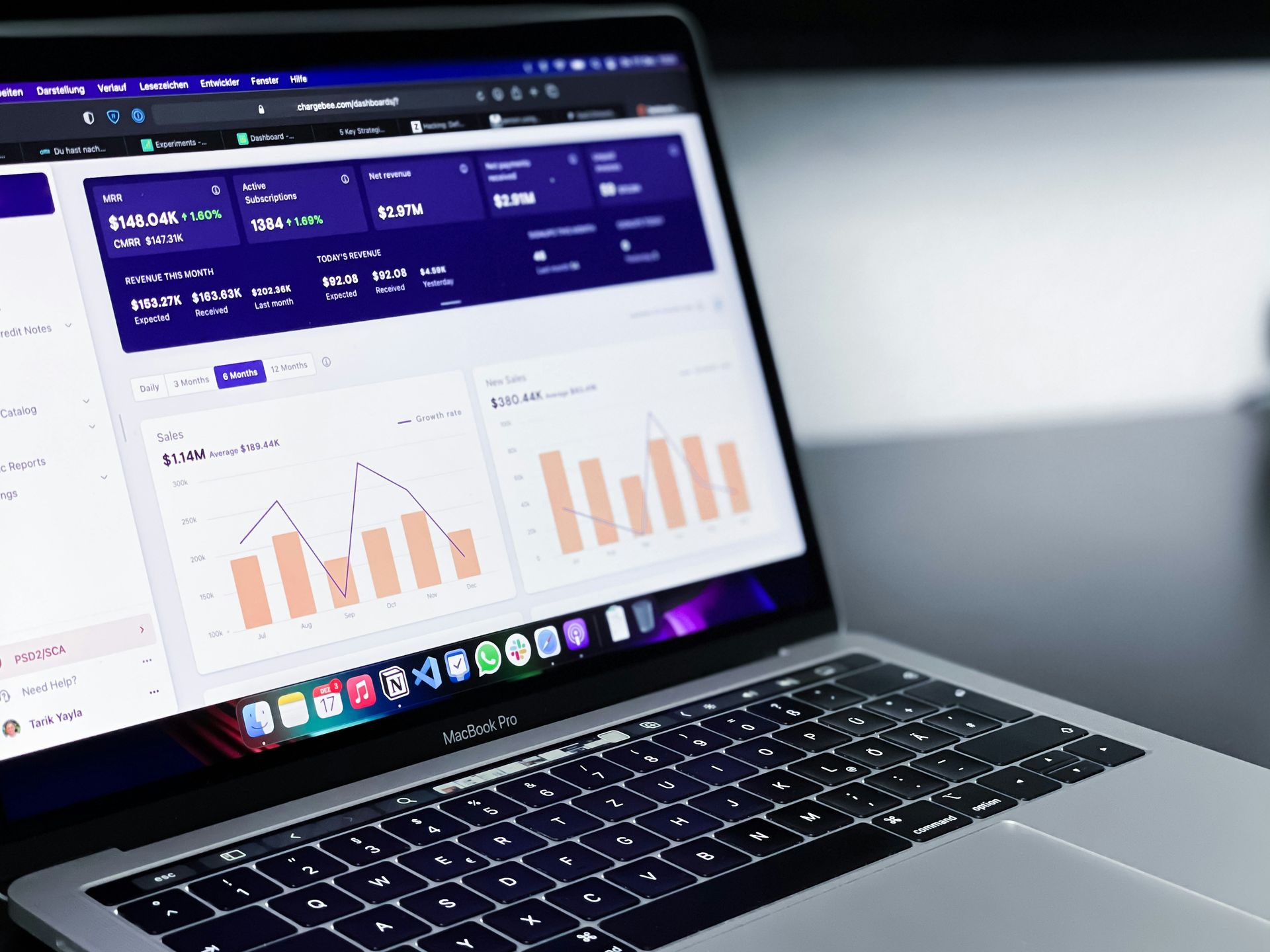
Eradicating the Risk of Single-Point-of-Failure System Lockouts
In the standard corporate landscape, risk management dictates that no single external asset should hold absolute control over your core cash flows or operational records. Yet, companies hiring uncertified freelancers routinely violate this rule. When a lone developer manages your server infrastructure, source code repositories, and system access keys, your enterprise inherits a dangerous single point of failure. You are essentially handing over the master keys of your commercial engine to an individual who operates without professional liability, corporate structures, or binding service level agreements.
This vulnerability frequently triggers operational friction during routine updates or unexpected system glitches. For instance, freelancers often manage multiple clients simultaneously without a formal support desk. If they take on a larger contract or face personal emergencies, your urgent support tickets are sidelined indefinitely. Furthermore, as your transaction volumes scale, individual developers often hit a technical ceiling, leaving deep database performance bugs or synchronization lag unresolved because they simply do not have the capacity or broad expertise to handle enterprise-level architecture.
The true crisis occurs during system downtime. If a server database corrupts during peak business hours, a lone developer lacks the round-the-clock availability and team redundancy needed to handle disaster recovery immediately. Your business grinds to a halt, sales are lost, and customer trust erodes while you wait for one person to answer their phone. Working with an official partner changes this dynamic completely by structuring your setup with shared organizational oversight. System access, server credentials, and backup protocols are managed via secure enterprise standards, ensuring your digital assets remain fully protected under corporate governance, insulated from the limitations of any single individual.

Direct Access to Global Infrastructure and Odoo Official Support
Many independent freelancers position themselves as all-knowing technical experts capable of solving any enterprise software anomaly. Odoo is a massive, multi-layered environment containing thousands of interconnected data paths across accounting, warehouse management, and manufacturing operations. When an unexpected bug occurs deep within the software's core Python framework, an individual developer can easily find themselves out of their depth, spending days guessing at a solution while your operations suffer.
Because they operate outside the official network, unauthorized developers are completely cut off from Odoo's internal ecosystem. They do not have access to official Enterprise source repositories, developer alerts, or advanced technical tiers. When a complex technical issue stops production on your shop floor, they must rely on public community forums, random online threads, or slow trial-and-error troubleshooting. This lack of support means your business becomes a testing ground for unverified patches that could permanently compromise your data integrity or make future software updates impossible.
In contrast, working with an official partner introduces a high level of technical security. Certified partners maintain a direct line of communication with Odoo official support and global product teams. If an enterprise encounters a unique system error or performance bottleneck that cannot be resolved locally, the partner escalates the issue straight to Odoo’s core engineers. This direct connection ensures your system receives validated, secure hotfixes that protect your database integrity. You are no longer dependent on the limited knowledge of one person; instead, your business is backed by the collective expertise of a global software engineering giant.

Building Enterprise Value Fit for Audits, Investment, and Scale
An ERP system is more than just a tool for daily operations; it is a core corporate asset that directly impacts the valuation of your business. If your long-term plans include securing institutional bank financing, attracting international private equity, or pursuing strategic partnerships, your digital records must be clear, auditable, and reliable. Investors and auditors look closely at how a company's data is managed, and a system built on fragmented freelance workarounds rarely passes a rigorous corporate review.
When financial records are patched together with custom, unverified scripts and inventory ledgers fail to balance with your general ledger, external stakeholders view your operations as a high-risk liability. A freelancer-led setup often lacks the strict user access controls and immutable audit trails required to prevent internal fraud and data manipulation. This structural weakness means that even if your business is highly profitable on paper, your technology infrastructure fails to prove that profitability in a dependable, auditable way.
By choosing a certified partner, you ensure your software configuration strictly mirrors international accounting standards and local compliance requirements. The resulting data becomes a genuine asset that proves your operational efficiency, protects your profit margins, and provides a clean foundation that gives external stakeholders complete confidence in your business. Certified partners build systems designed for multi-branch expansion and high transaction volumes, ensuring that your ERP scales smoothly alongside your commercial growth without needing a complete, expensive rebuild every few years.

Align Your Enterprise with Magnolia Technology Solutions
Your software environment should drive enterprise growth, not create operational risk. At Magnolia Technology Solutions, we help Kenyan companies replace fragile, person-dependent setups with stable, institutional Odoo architecture. As a certified partner, our team of business analysts, developers, and support specialists ensure your system remains secure, fully documented, and optimized for long-term scalability.
Do not let your core corporate infrastructure depend on a single individual's availability. Connect with Magnolia Technology Solutions today to review your current processes and build a dependable Odoo environment designed to scale your business safely.