We Fix What Others Leave Broken: Odoo Rescue and Re-Implementation
For mid-sized and enterprise companies across Kenya, investing in an Enterprise Resource Planning (ERP) platform like Odoo is supposed to mark a turning point. It promises operational clarity, automated workflows, seamless multi-warehouse management, and real-time executive visibility. Yet, for dozens of business leaders, the reality feels starkly different: stalled deployments, inventory miscounts, uncollected revenue, and software that creates more chaos than control.
If your company has been left with a semi-functional Odoo system, an abandoned customization project, or a solution that forces your team back onto spreadsheets, you are not alone. Across East Africa, hundreds of growth-oriented organizations are currently suffering from what we at Magnolia call ERP Fatigue—the quiet bleed of capital, morale, and momentum caused by amateur or incomplete implementations. The truth is simple: Odoo is a world-class platform, but in the hands of uncertified generalists or distant freelancers, even the best software fails. That is where we step in.
The Anatomy of a Failed ERP: Why Odoo Implementations Go Off the Rails
To understand how an ERP project falls apart, one must look at how standard implementations are typically sold versus how business actually operates. Many software vendors approach Odoo as a simple "plug-and-play" installation. They install standard modules, configure a basic chart of accounts, run a superficial training session, and declare the system live. However, real-world commerce—especially in competitive markets like Kenya—demands far greater operational rigor.
First, deployments frequently suffer from misaligned operational workflows. Implementers often force your business processes into generic templates without understanding complex multi-unit stock conversions, raw material bills of materials (BOMs), or multi-company inter-transfer rules.
Second, inexperienced teams fall into the over-customization trap. They write thousands of lines of fragile, custom Python code to replicate outdated manual routines rather than leveraging Odoo’s native, best-practice workflows. When Odoo updates, these custom scripts break, leaving your database stranded.
Third, vendor abandonment and communication breakdowns are common. Once technical roadblocks emerge—such as complex KRA eTIMS integration, custom manufacturing routing, or localized payroll rules—uncertified providers frequently exhaust their budget and disappear, leaving your executive team stranded.
When an ERP fails, IT teams discuss technical bugs, but business owners feel the true financial impact: delayed customer deliveries, uncollected receivables, manual tax reconciliations, and executive decisions guided by inaccurate dashboard numbers.
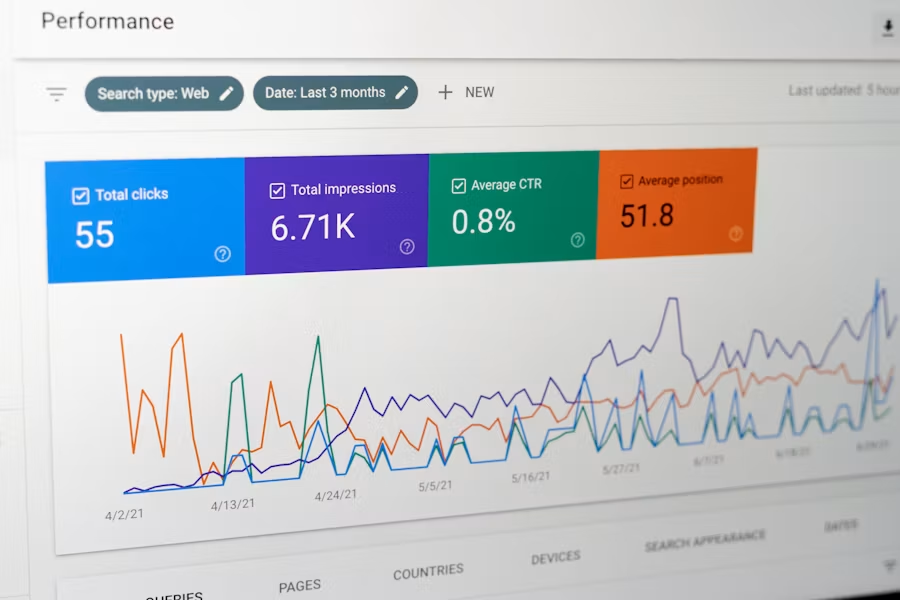
The Hidden Costs: What a Broken System Is Really Costing Your Business
When an ERP implementation stalls, business owners often attempt to tough it out, hoping their staff will gradually figure things out. However, operating on a broken or misconfigured system carries compounding financial costs that extend far beyond the initial vendor invoice.
In manufacturing, distribution, and retail, inventory leakage and revenue erosion become immediate risks. When unit of measure conversions (e.g., buying in metric tons, storing in cartons, and selling in individual units) are misconfigured, your stock registers reflect ghost inventory. Items sit in warehouses unsold while sales teams report stockouts, leading to lost customer trust and tied-up working capital.
Operating in Kenya also introduces significant compliance and tax vulnerability. An incomplete Odoo setup with faulty eTIMS fiscalization or improperly structured tax mapping puts your enterprise at direct risk of audit penalties, incorrect VAT filings, and operational disruption.
Furthermore, productivity paralysis and staff turnover quickly follow. When employees realize Odoo is generating flawed figures, they quietly build "shadow systems"—reverting to individual Excel workbooks for sales tracking, payroll, and stock control. Your business pays double: once for expensive software, and again in manual, duplicated labor hours spent cross-checking figures that Odoo should compute instantly.

The Magnolia Rescue Methodology: How We Turn Around Half-Baked Deployments
At Magnolia Technology Solutions, we do not believe in scrapping your prior investment and starting from scratch unless absolutely necessary. We specialize in ERP Rescue & Re-Implementation—taking broken, half-implemented Odoo environments and turning them into stable, high-performing corporate engines.
Our turnaround process begins with a comprehensive system and operational audit. We perform a 360-degree diagnostic of your existing Odoo database, custom module code, and data structures while our functional consultants review your physical shop floor, warehouse flows, and accounting operations to identify where the software diverges from reality.
Next, we move into database remediation and architecture stabilization. Instead of piling on more code, we simplify. We clean dirty master data, refactor broken custom modules, align your chart of accounts, and re-configure native Odoo capabilities to handle your specific manufacturing, sales, and accounting requirements.
We then carry out localized compliance integration, ensuring seamless, native integration with KRA eTIMS, regional multi-currency valuation rules, and local banking gateways, so your finance team operates with absolute confidence.
Finally, we establish real-time executive dashboards and guide your team through structured change management. Software is only as effective as the team operating it, which is why we conduct structured, role-based training on-site in Kenya so leadership can track margin, order status, and cash flow at a single glance.
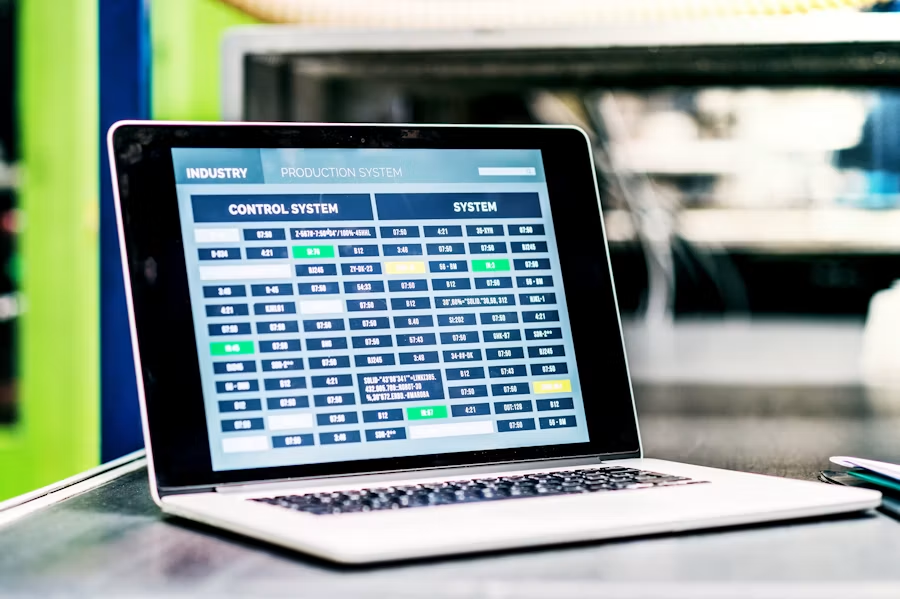
Tailored for Local Industry: Why Manufacturing and B2B Leaders Trust Magnolia
Not all ERP partners are created equal. What sets Magnolia Technology Solutions apart as Kenya’s premier Odoo partner is our deep specialization in industrial, manufacturing, and complex B2B environments. We are not just software coders; we understand shop-floor routing, work center capacity, scrap rate allocations, landed-cost calculations, and supply chain logistics.
Our clients benefit directly from our certified local expertise. Based in Kenya, our team provides fast, on-site functional and technical support so you never have to wait across distant time zones when an operationally critical issue arises.
We maintain a strict manufacturing-first focus, knowing exactly how to configure complex Bills of Materials (BOMs), work orders, shop-floor control, and quality inspection triggers so that your production schedules remain on track.
Our proven track record of rescues demonstrates our ability to take over abandoned Odoo projects from uncertified freelancers and foreign agencies, delivering fully operational systems within agreed timeframes and budgets.
Additionally, our SLA-backed support and continuous optimization ensure that our engagement does not end at Go-Live. We provide dedicated Service Level Agreements ensuring your ERP evolves seamlessly alongside your corporate growth.

Ready to Stop Suffering from a Broken ERP?
Don't let a bad implementation drain your company's profits, time, and team morale any longer. Magnolia Technology Solutions is ready to step in, audit your system, and turn your Odoo investment into the competitive advantage it was meant to be.