Signs Your Odoo Is Costing You More Than You Think
When you invested in Odoo, the promise was clear: a unified, modern, and cost-effective Enterprise Resource Planning platform capable of streamlining every facet of your business into a single source of truth. You were promised real-time visibility over your inventory, automated financial reconciliation, operational efficiency across your manufacturing lines, and a dramatic reduction in administrative overhead. It sounded like the ultimate operational engine for growth.
Yet, months or even years after implementation, many Kenyan business leaders find themselves staring at a very different reality. The expected clarity has turned into operational friction. Sales teams complain that the system is too complex to log invoices, warehouse staff keep manual Excel trackers because inventory counts never match physical stock, and executive decision-making still relies on hand-compiled reports delivered days late.
Instead of driving your company forward, your ERP system may quietly be draining your resources, consuming executive bandwidth, and eroding your profit margins. A broken or poorly configured Odoo system rarely fails with a sudden, obvious crash. Instead, it bleeds capital through subtle, compounding operational inefficiencies. Here are the four critical signs that your Odoo setup is costing you far more than you think—and how you can turn it back into a revenue-generating asset.

Excel Workarounds and Off-System Workflows Are Silently Draining Staff Productivity
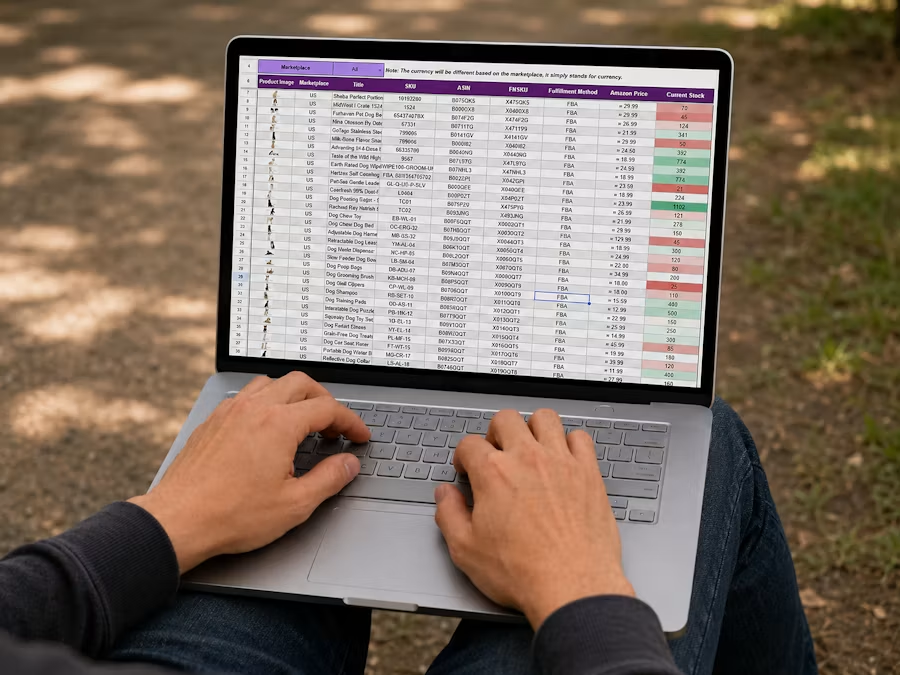
The single most revealing indicator of a failing ERP implementation is the persistence of shadow software. If your team members are routinely exporting data from Odoo into Microsoft Excel, Google Sheets, or standalone desktop tools just to perform their daily duties, your ERP is not serving its core purpose.
In many businesses across Kenya, employees revert to manual spreadsheets because their Odoo interface was incorrectly configured during initial setup. Modules were either deployed out-of-the-box without alignment to real-world business workflows, or overly customized by uncertified vendors who failed to understand operational dependencies. When creating an order or updating stock balances requires navigating tedious, non-intuitive workarounds, staff naturally take the path of least resistance: offline spreadsheets.
This reliance on manual workarounds creates massive hidden financial leaks. First, you pay twice for productivity: once for the ERP software license meant to automate tasks, and again for the hours your employees spend manually inputting, copying, and reconciling data across spreadsheets. Second, shadow systems introduce human error. A single misplaced decimal point in a manual stock tracker or an outdated price matrix can lead to underpriced client contracts, stockouts, or double orders of raw materials. If your employees cannot execute their daily responsibilities completely within Odoo, your technology investment is actively eroding your bottom line.
Phantom Stock and Unreconciled Margins Are Destroying Your Cash Flow
For inventory-heavy sectors, manufacturing plants, and distribution networks, accurate inventory visibility is the foundation of profitability. One of the primary reasons organizations adopt Odoo is its integrated inventory and manufacturing capabilities. However, when an implementation lacks proper structural configuration, inventory management quickly becomes a primary driver of financial loss.
Do your floor managers trust the stock counts displayed in Odoo? If your answer is no, you are operating with phantom stock. Phantom stock occurs when system balances consistently fail to reflect physical warehouse realities. Inaccurate reorder points force warehouse managers to over-purchase raw materials to avoid stockouts, tying up critical operating capital in surplus stock sitting idle on warehouse shelves. Conversely, systemic inventory lags can cause unexpected stockouts, delaying customer order fulfillment and damaging hard-won commercial relationships.
Furthermore, without proper integration between Odoo’s Inventory, Purchase, and Accounting modules, calculating true product margins becomes impossible. Landing costs—including customs clearance, freight charges, regional transit taxes, and local handling—are frequently left unallocated or calculated manually. As a result, your sales team may be closing orders that look profitable on the surface, but actually generate a net loss once accurate overhead and landing fees are factored in. When your ERP cannot provide exact, real-time inventory valuations, cash flow leaks quietly accumulate across every order processed.

Heavy Custom Code and Lack of Support Block System Upgrades
A common pitfall in ERP adoption is partnering with implementers who solve operational challenges by writing excessive, fragile custom code rather than leveraging standard Odoo features or properly configured core workflows. While custom code might offer a temporary quick fix during initial setup, it frequently becomes a technical trap that stifles long-term scalability.
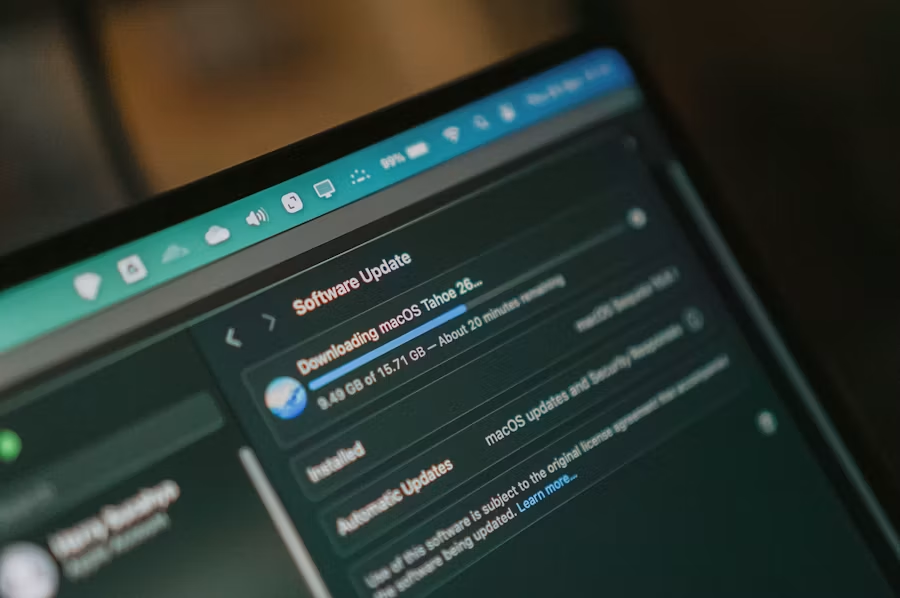
Over-customized Odoo databases often break when official patches or major version updates are released. Business owners find themselves trapped on legacy versions, unable to access updated feature sets, enhanced security protocols, or performance improvements. When system glitches inevitably arise, the original implementers are often nowhere to be found, leaving internal teams to manage a fragile, unsupported system where even minor adjustments risk breaking critical business processes.
This technical lock-in brings severe financial consequences. Unsupported legacy systems are vulnerable to performance degradation, database corruption, and security compliance risks. Additionally, maintaining custom code requires costly specialized developer intervention every time a minor modification is needed. If your system cannot seamlessly evolve with your growing business, your implementation has transformed from an asset into an expensive technical burden.
Executive Decisions Are Being Guided by Delayed and Inaccurate Reports
The ultimate metric of an ERP system's value is its ability to provide leadership teams with immediate, trustworthy operational intelligence. As a Managing Director or business owner, you should be able to open your executive dashboard at any point during the month and view accurate key performance indicators: real-time sales pipelines, operational margins, vendor liabilities, and cash flow forecasts.
If your management team still spends days compiling end-of-month financial summary reports, manually pulling data from disparate departments, or cross-referencing ledger entries, your ERP system is failing at its primary duty. Operating on delayed intelligence means you are continually making critical strategic decisions—such as capital allocations, hiring choices, pricing adjustments, or credit extensions—based on backward-looking data rather than real-time operational truth.
In fast-moving business environments, delayed reporting carries substantial costs. Delayed visibility into falling profit margins, surging overhead costs, or bloated customer accounts receivable prevents leadership from taking immediate corrective action. When an ERP system produces data that leadership cannot trust without manual verification, it ceases to function as a strategic decision engine and becomes little more than a high-priced digital filing cabinet.

Turn Your Odoo Investment Into Your Business's Greatest Asset
If these operational warning signs resonate with your current business reality, your Odoo setup is likely costing your organization significant time, productivity, and capital every working day. But a broken implementation does not mean Odoo is the wrong system for your company—it simply means it was deployed without the deep workflow alignment, structural configuration, and expert local backing required to succeed.
At Magnolia Technology Solutions, we specialize in system rescue and ongoing support. As Kenya’s leading certified local Odoo partner with deep expertise in manufacturing, supply chain, and complex business operations, we regularly step in where previous implementers have failed. We audit broken workflows, eliminate unnecessary custom code, re-align core modules to actual business operations, and train your staff to work efficiently inside the system.
Stop settling for an ERP that creates more work than it eliminates. Let our team of local experts rescue your Odoo platform and restore the operational clarity, automated accuracy, and financial visibility your business deserves.