Your Stock Report Says One Thing. Your Warehouse Says Another
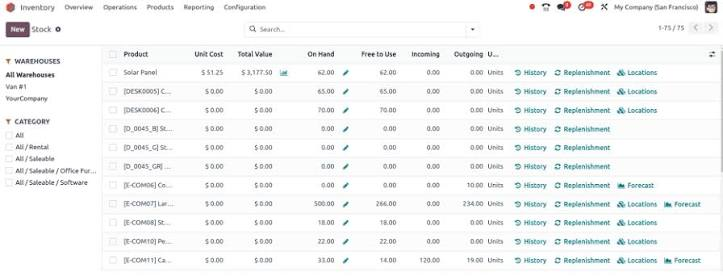
Every week across Kenya, factory managers and business owners sit down to review their inventory reports, only to discover a frustrating gap between what appears on paper and what actually sits on the warehouse floor. On your system screen, you might see fifty untrimmed metal sheets or two hundred standard packaging boxes ready for dispatch. Yet when your team runs a physical count, twenty units are missing, ten are damaged beyond use, and an urgent custom order is stranded on the factory floor because a single critical input was never reordered. This phantom inventory is more than an administrative nuisance; it is a quiet, continuous drain on working capital, profit margins, and client trust. When stock records fail to mirror real-time operational reality, lead times stretch out, customer satisfaction drops, and production schedules collapse into constant fire-fighting.
Understanding why phantom inventory occurs requires a hard look at the disconnect between physical movement and system updates. In many growing manufacturing and distribution operations, standard processes still rely on delayed batch updates, manual register entries, or disconnected software modules. A production line manager borrows raw materials from the main store for a rush job, promising to update the register later. A floor supervisor writes off spoiled goods on a clipboard that sits on a desk until Friday. Finished goods leave the bay for delivery while the corresponding system invoice remains in draft mode until the sales admin returns from lunch. Each small delay builds a system lag that distorts stock accuracy across the entire supply chain, leaving business leaders making high-stakes purchasing and production choices based on outdated information.
The Hidden Costs of Disconnected Systems on Your Factory Floor
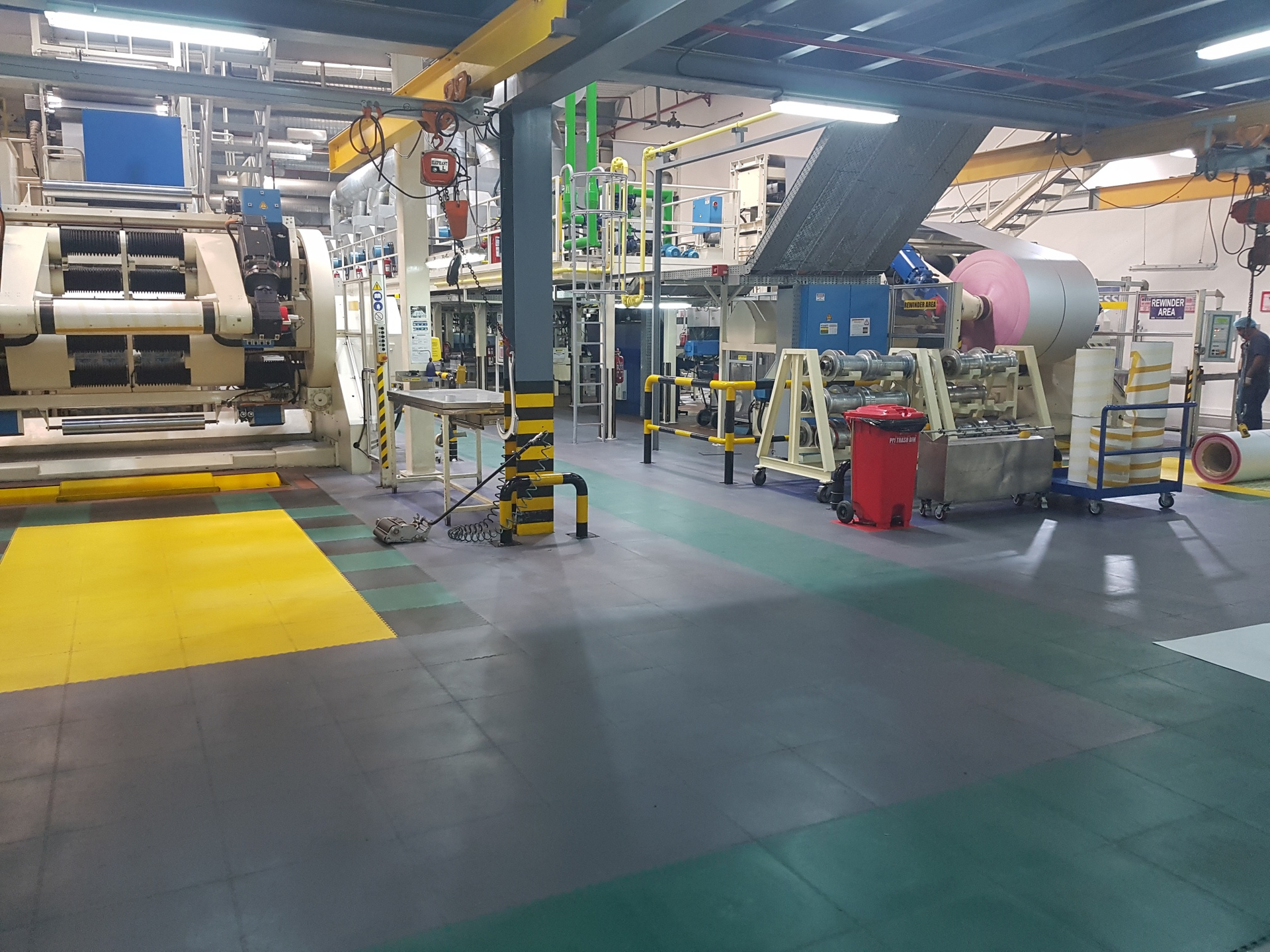
When inventory records deviate from actual warehouse stock, the financial and operational consequences ripple through every department in your company. Purchasing teams, relying on inflated system balances, delay issuing purchase orders for essential raw materials, triggering unexpected line shutdowns when items run out completely. Conversely, when the system incorrectly shows zero stock for an item hidden away in an unmapped bin, buyers place redundant rush orders, tying up vital cash flow in excess safety stock that sits idle. Finance teams end up spending endless days at month-end attempting to reconcile inventory accounts against actual physical counts, turning financial reporting into a stressful exercise in guessing and manual adjustments.
In a dynamic manufacturing environment, stock inaccuracies also compromise production efficiency and job costing precision. When raw material issues are untracked or incorrectly logged, your actual cost of goods sold becomes inaccurate, hiding real production scrap rates and inflating apparent product margins. Work-in-progress inventory stalls in manufacturing bays without clear system tracking, making it impossible to forecast delivery timelines accurately to key clients. Furthermore, as local compliance and tax requirements like eTIMS integration become strictly enforced across Kenya, maintaining clean, verifiable inventory transaction logs is no longer just good business practice—it is essential for regulatory compliance and audit preparedness.
Bridging the Gap Through Integrated Real-Time Inventory Control
Resolving the inventory disconnect requires moving away from batch updates and isolated spreadsheets toward a unified, automated enterprise management environment. Modern stock management depends on capturing inventory movements right at the point of action. When a delivery truck arrives at the receiving bay, incoming raw materials should immediately be scanned into designated warehouse locations, updating inventory balances instantly across all integrated systems. When production managers issue materials to a bill of materials, those items should be automatically deducted from available stock and moved into work-in-progress accounts without requiring separate manual register entries or duplicate paperwork.
Achieving total operational visibility requires an enterprise system designed specifically to unite front-office accounting, purchasing schedules, and floor-level manufacturing operations into a single source of truth. With real-time inventory tracking, warehouse teams utilize mobile barcode scanners to perform instant receipts, stock transfers, and automated inventory adjustments. This dynamic data flow ensures that sales teams only commit to delivery schedules based on verified stock levels, purchasing agents receive automated alerts for low inventory based on actual production consumption rates, and company directors gain complete, accurate oversight of current asset valuations at the click of a button.

Streamlining Your Operations with Localized Odoo Enterprise Expertise
As Kenya's certified Odoo partner specializing in manufacturing and complex supply chain workflows, Magnolia Technology Solutions helps local businesses eliminate phantom inventory and take full control of their operations. Odoo Enterprise provides an intuitive, modular platform that seamlessly integrates inventory management, bill of materials, manufacturing execution, purchase control, and financial accounting into one unified system. Designed to handle intricate floor operations—from multi-warehouse tracking and automated reordering rules to serial number tracking and scrap management—Odoo eliminates data silos and provides total transparency across your complete operational lifecycle.
Implementing Odoo effectively requires deep local experience and practical floor-level knowledge. At Magnolia Technology Solutions, our team combines certified technical expertise with a thorough understanding of the unique manufacturing, trading, and regulatory landscape in Kenya. We do not just deploy software; we partner with your leadership and operational teams to audit your warehouse workflows, design efficient putaway and picking strategies, configure precise bill of materials structures, and ensure seamless eTIMS tax compliance integration. Through tailored implementation, hands-on user training, and continuous local support, we ensure your software accurately reflects the daily reality on your shop floor.

Transforming Your Warehouse into a Growth Engine with Magnolia
Aligning your digital inventory reports with your physical warehouse is not merely a technical fix; it is a strategic business transformation. When your stock records are accurate, your purchasing becomes lean and predictable, your factory throughput increases, and your working capital is freed up for business expansion. You eliminate emergency procurement runs, reduce material wastage, and deliver orders on time, every time. Your sales team can quote delivery lead times with absolute confidence, while your finance team enjoys clear, real-time visibility into inventory valuation and production margins.
If you are currently running Odoo and still struggling with stock discrepancies, or if you are looking to upgrade your legacy management software to a unified solution, our team is ready to assist. We invite you to reach out directly to discuss your operational challenges, explore our proven implementation methodologies, and discover how a fully aligned system can transform your productivity.
Take the first step toward complete inventory accuracy and operational clarity today. DM us directly on our social channels, visit our official website at magnolia.co.ke, or book a free operational review with our team at Magnolia Technology Solutions to audit your current inventory workflows and unlock the true potential of your factory floor.