The Price of Disconnected Growth: Why Kenyan Manufacturers Settle for “Fragile ERPs” (And How Official Odoo Partners Fix It)
Across Kenya’s manufacturing sector, a quiet challenge is reshaping how businesses scale—or fail to scale. While many manufacturers have already invested in Enterprise Resource Planning (ERP) systems such as Odoo, a significant number are operating on systems that appear functional on the surface but are structurally weak underneath.
These are what we call “fragile ERPs.”
They are systems that go live successfully but gradually begin to fracture under the pressure of real operational demand. Inventory mismatches appear. Production delays increase. Reports become unreliable. Teams revert to spreadsheets. And slowly, the ERP system becomes a tool for reporting rather than running the business.
At first glance, these issues may appear like user problems or operational inefficiencies. In reality, they are often the result of disconnected implementation decisions made at the beginning of the ERP journey—especially when businesses engage unauthorized freelancers instead of a certified Odoo Partner Kenya.
This article explores why fragile ERP systems are so common in manufacturing environments, and how working with an official partner like Magnolia Technology Solutions eliminates structural weaknesses before they become business risks.
The Silent Problem Behind Manufacturing ERP Failures
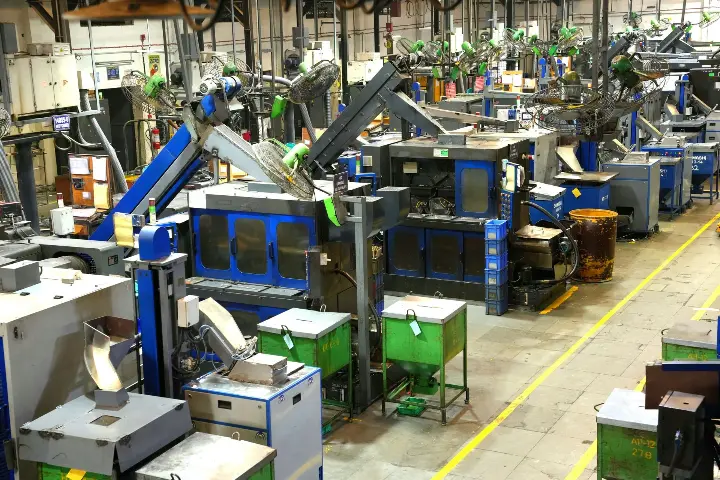
Manufacturing ERP systems are uniquely complex because they do not simply record transactions—they orchestrate production.
A properly implemented system must connect procurement, inventory, bill of materials, production planning, quality control, maintenance, and accounting into a single, synchronized flow. When even one of these elements is misconfigured, the entire operational chain becomes unstable.
Many Kenyan manufacturers unknowingly begin their ERP journey with implementers who prioritize speed over structure. The system goes live quickly, but without deep alignment to real manufacturing workflows.
At this stage, everything appears functional. But as production volumes increase, cracks begin to emerge. Work orders no longer reflect actual shop floor activity. Inventory reports lag behind reality. Procurement decisions become reactive instead of predictive. And management begins to lose trust in system-generated data.
This is the first stage of a fragile ERP.
The issue is not the software itself—it is the lack of architectural discipline during implementation, something that experienced Odoo partners are trained to prevent.
Why “Quick Setup” ERPs Become Operational Liabilities
One of the most common misconceptions among business owners is that ERP success is defined by how quickly the system goes live. In reality, speed without structure is one of the biggest contributors to long-term failure.
Unauthorized implementers often focus on replicating existing processes exactly as they are, rather than improving them. While this may feel comfortable for users in the short term, it locks inefficiencies into the system permanently.
In manufacturing environments, this becomes especially problematic. Instead of designing optimized workflows for production planning or inventory movement, freelancers may rely on excessive customization or patchwork configurations to match outdated processes.
Over time, this creates a system that is difficult to maintain and even harder to upgrade. Each new requirement requires additional layers of customization. Each fix introduces new dependencies. Eventually, the ERP becomes fragile—dependent on the original developer’s knowledge and unable to evolve independently.
This is where businesses begin to experience what we refer to as “implementation debt.”
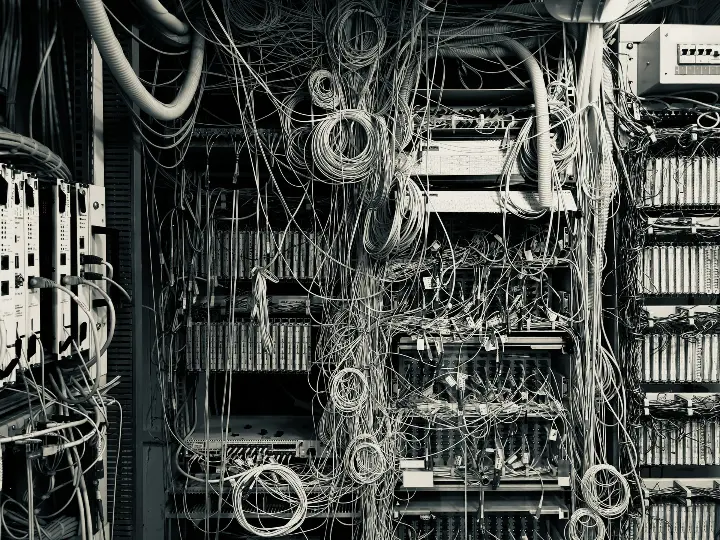
Unlike financial debt, implementation debt does not appear on a balance sheet. Instead, it manifests as operational inefficiency, delayed decision-making, and increasing reliance on manual workarounds.
An official Odoo Partner Kenya avoids this trap by designing systems based on best-practice workflows rather than temporary fixes. This ensures that the ERP remains stable, scalable, and aligned with long-term operational goals.
The Manufacturing Cost of Poor ERP Architecture
For manufacturers, the cost of a fragile ERP system is not theoretical—it is operational and financial.
When production data is inaccurate, material planning becomes unreliable. When inventory visibility is delayed, procurement becomes reactive rather than strategic. When work orders do not reflect real shop floor activity, production efficiency declines without clear explanation.
These issues directly affect profitability.
In many cases, the root cause can be traced back to how the system was initially structured. A poorly designed Bill of Materials, inconsistent routing logic, or misaligned warehouse configuration can ripple across the entire manufacturing process.
Instead of supporting production, the ERP becomes something the business has to “work around.”
This is particularly evident in organizations attempting ERP implementation for manufacturing without proper architectural guidance. While the system may technically function, it fails to support real-time decision-making at the level required for competitive manufacturing.
By contrast, a certified implementation approach focuses on aligning ERP structure with actual production realities. Work centers are properly defined. Material flows are standardized. Quality control points are embedded into the process rather than added as afterthoughts. Inventory movements reflect real operational activity.
The result is not just a software system—but a reliable operational backbone.
Why Official Odoo Partners Build Systems That Scale, Not Break
The difference between a fragile ERP and a scalable ERP is not visible during go-live. It becomes visible during growth.
As manufacturers expand—adding new product lines, increasing production capacity, or entering new markets—the ERP system must be able to adapt without requiring major rework.
This is where official Odoo partners play a critical role.
An experienced partner like Magnolia Technology Solutions builds systems with long-term evolution in mind. Instead of relying on heavy customization, they prioritize Odoo’s native capabilities and structured configuration methods. This ensures that when Odoo releases updates or new features, the system remains compatible and upgrade-ready.
Just as importantly, certified partners understand how to balance business requirements with system integrity. Not every request requires customization. Not every process needs to be replicated exactly as it existed before ERP.
This disciplined approach prevents the accumulation of technical debt and ensures that the ERP continues to perform reliably as the business scales.
With access to Odoo official support, certified partners also benefit from direct escalation channels and structured product guidance. This means that complex issues are resolved faster and with greater accuracy, reducing operational risk for manufacturing businesses that depend on continuous production flow.
From Fragile Systems to Industrial Strength ERP Foundations
The transition from a fragile ERP to a stable system is not about replacing software—it is about correcting architectural decisions.
Businesses that recognize early warning signs such as inconsistent data, reliance on spreadsheets, or difficulty upgrading systems are often in a position to recover without full reimplementation. However, this requires structured intervention from experienced consultants who understand both manufacturing operations and Odoo architecture.
When implemented correctly, ERP systems become powerful enablers of growth. They provide real-time visibility into production performance, improve procurement accuracy, and support data-driven decision-making at the leadership level.
More importantly, they reduce operational uncertainty.
For Kenyan manufacturers operating in competitive and margin-sensitive environments, this stability is not optional—it is essential.

Conclusion: Growth Should Not Break Your ERP
Disconnected growth is one of the biggest hidden risks facing manufacturing businesses today. As organizations scale, their ERP systems should scale with them—not against them.
However, when implementation is handled without architectural discipline, the result is often a fragile system that cannot sustain operational pressure.
Choosing an official Odoo Partner Kenya is not simply a procurement decision. It is a strategic investment in operational resilience, system stability, and long-term scalability.
At Magnolia Technology Solutions, we specialize in building ERP systems that are designed to last. Through structured implementation, manufacturing expertise, and alignment with Odoo best practices, we help businesses move from fragile systems to strong digital foundations that support sustainable growth.
If your current ERP feels more like a limitation than an enabler, it may be time to rethink how it was built—and who built it.
Magnolia Technology Solutions is your trusted partner for ERP implementation for manufacturing, supported by Odoo official support and deep local expertise.