Odoo for Manufacturing — What a Proper Setup Looks Like
Running a manufacturing or assembly plant in Kenya is an intensive endeavor that requires constant vigilance over raw material inventory, workforce allocation, machinery availability, and strict cost controls. Factory owners, operations directors, and production leads face a daily balance between keeping assembly lines running continuously and avoiding overstocking raw materials that tie up critical operating capital. When a manufacturing business decides to transition to an Enterprise Resource Planning system like Odoo, the expectation is complete clarity across the shop floor. Decision makers envision real-time material tracking, accurate automated job costing, seamlessly synchronized work orders, and absolute control over wastage and stock movement.
Too often, local factory executives find themselves dealing with halfway software setups, incomplete inventory integrations, and broken tracking mechanisms delivered by inexperienced implementation teams. When an enterprise system is deployed without deep factory floor understanding, the system becomes a secondary burden rather than an operational asset. Production managers end up keeping parallel paper records or standalone spreadsheets just to verify actual stock levels. At Magnolia Technology Solutions, as certified local Odoo specialists operating directly within the Kenyan industrial landscape, we frequently get called to rescue and rebuild implementations that others left dysfunctional. A proper implementation is never about turning on generic software features; it is about structuring digital workflows that mirror the physical reality of your production processes.
Establishing Flawless Multi-Stage Inventory Structure and Material Control
A correct manufacturing architecture begins long before a single finished good rolls off the assembly line. It starts with a clean, structured multi-stage warehouse layout inside the system that matches physical floor movement. In a standard factory environment, raw materials arrive at receiving docks, pass quality control checks, move into main store holdings, transition to production floor staging areas, and finally emerge as finished goods ready for distribution. Generic implementations frequently flatten this entire journey into a single warehouse location, causing immediate discrepancy between what the system reports and what is physically present on the factory floor.
A proper architecture separates these stages cleanly using automated internal transfer rules. When a work order is released to the shop floor, raw materials are systematically reserved and transferred from main stores to the specific work center location. This prevents other production lines from claiming the same stock and eliminates line stoppage caused by phantom inventory. Furthermore, precision unit-of-measure conversions must be built into the core setup. If raw chemicals are purchased in bulk metric tons, stored in twenty-liter drums, and consumed in grams per batch, the system must perform these unit conversions instantly without manual human calculation. When material movements, lot tracking, serial numbers, and expiry dates are mapped accurately, factory owners gain total traceability from original supplier delivery notes down to the final packaged item sold to distributors.

Architecting Dynamic Master Recipes and Multi-Level Bill of Materials
The structural backbone of any manufacturing software deployment is the Bill of Materials, which acts as the definitive recipe for production. Many failed deployments treat this essential master data as a basic list of raw items, ignoring the complex realities of modern manufacturing processes. In real-world factory operations, products are built in multiple stages, requiring nested, multi-level recipe structures where intermediate sub-assemblies are generated before final packaging occurs. Additionally, production yields are rarely perfect, meaning realistic scrap factors and material loss percentages must be factored into the master recipe definition.
When Magnolia Technology Solutions configures a manufacturing setup, we build dynamic, flexible recipe structures that reflect true operational conditions. If your manufacturing process yields valuable by-products or secondary items alongside the main product line, the system architecture must automatically capture and account for these secondary items to maintain financial balance. Furthermore, alternate component lists are defined so that if a primary raw material is temporarily unavailable, work orders can adapt instantly without halting the entire scheduling pipeline. This level of design ensures that material requirements planning algorithms generate accurate purchase recommendations well in advance, protecting your business from sudden supply chain bottlenecks while preventing excess capital lockup in slow-moving raw stock.

Synchronizing Work Center Capacity and Shop Floor Execution
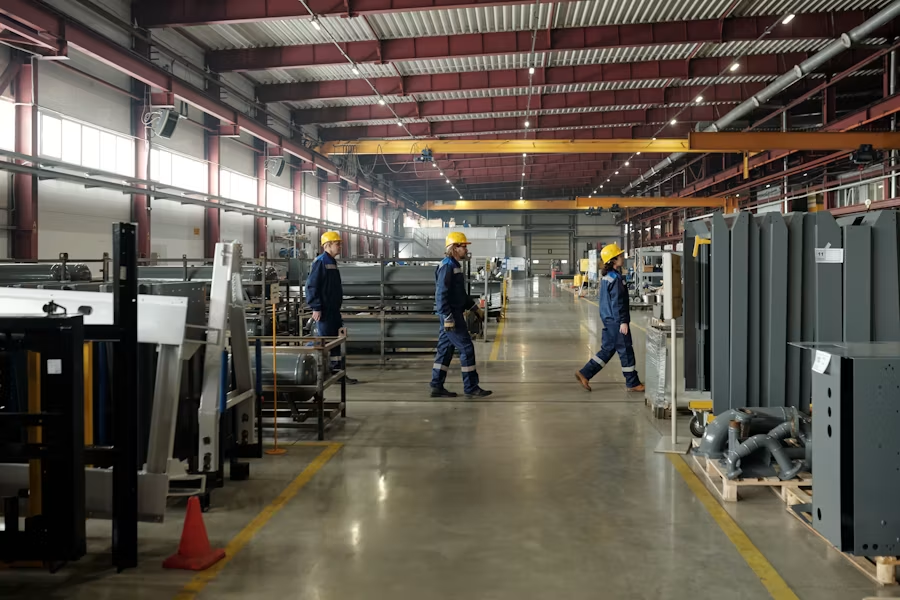
Having raw materials physically available in the warehouse represents only half of the manufacturing equation. True operational throughput relies on the availability, speed, and capacity of machinery and specialized labor teams. A proper setup establishes distinct work centers inside the software, complete with defined operational capacity, scheduled working hours, setup times, and baseline efficiency rates. Without this detailed configuration, production scheduling remains blind guesswork, leading to severe operational bottlenecks where certain machines sit idle while others face unmanageable backlogs.
In a fully optimized deployment, work orders automatically schedule operations across available work centers according to established routing sequences. Touchscreen tablet interfaces or barcode scanners placed directly at shop floor stations allow operators to start, pause, record quality inspection results, and log completed quantities in real time. This immediate digital capture eliminates late-day manual data entry and provides production leads with an active dashboard showing exact line progress and real-time machine efficiency. If a machine experiences unplanned downtime or an operator records an unexpected drop in production rate, supervisors receive immediate visibility to re-route pending jobs, adjust shift schedules, and protect order fulfillment deadlines.
Capturing True Production Costs for Maximum Financial Precision
For factory owners and managing directors, the ultimate measure of manufacturing success is margin accuracy. Many Kenyan manufacturers operate on estimated or historical product costs because their existing systems fail to capture real-time operational overhead. A standard, basic implementation typically calculates product costs based solely on raw material purchase invoices, ignoring direct labor costs, machine depreciation, energy consumption, and factory overhead expenses. Operating with incomplete financial data creates a dangerous blind spot where high-volume products may actually be selling at an unobserved net loss.
A properly engineered setup seamlessly bridges shop floor operations with corporate financial accounting. Every work center is assigned specific hourly operational rates that reflect direct labor, power usage, and equipment depreciation. As work orders move through each production station, the system automatically logs exact time spent and absorbs overhead costs into the manufacturing order in real time. When combined with automated valuation methods for raw materials, the business achieves precise, actual unit costing for every batch produced. Factory leadership can analyze true profit margins across different product lines, evaluate shift performance, eliminate hidden waste, and make data-backed pricing decisions with total confidence.

Why Working with a Certified Local Partner Guarantees Manufacturing Success
If your manufacturing operations suffer from inventory mismatches, unreliable job costing, or an incomplete software implementation that left your team relying on manual spreadsheets, you do not have to settle for broken processes. Magnolia Technology Solutions is Kenya's premier certified partner specializing in building robust, industrial-grade software foundations that drive measurable efficiency and profitability. Whether you are looking to deploy a brand-new system or rescue and rebuild an existing setup that was never properly delivered, our local team brings deep expertise to your factory floor.